
Signs Your Brakes Need Immediate Attention
Operating a motor vehicle brings a profound responsibility to ensure the safety of everyone sharing the road. While drivers often focus on horsepower, fuel economy, or high-tech entertainment systems, the single most critical system in any vehicle is the braking network. Your ability to stop reliably in heavy traffic, sudden storms, or unexpected emergencies dictates whether you arrive at your destination safely. Unfortunately, braking components are subject to immense friction, intense heat, and mechanical stress, meaning they naturally degrade over time. Recognizing the early warning signs of system deterioration can mean the difference between a simple maintenance swap and a catastrophic mechanical failure. When you start noticing changes in how your car slows down, scheduling a visit to a trusted brake repair shop is the safest and most responsible course of action.
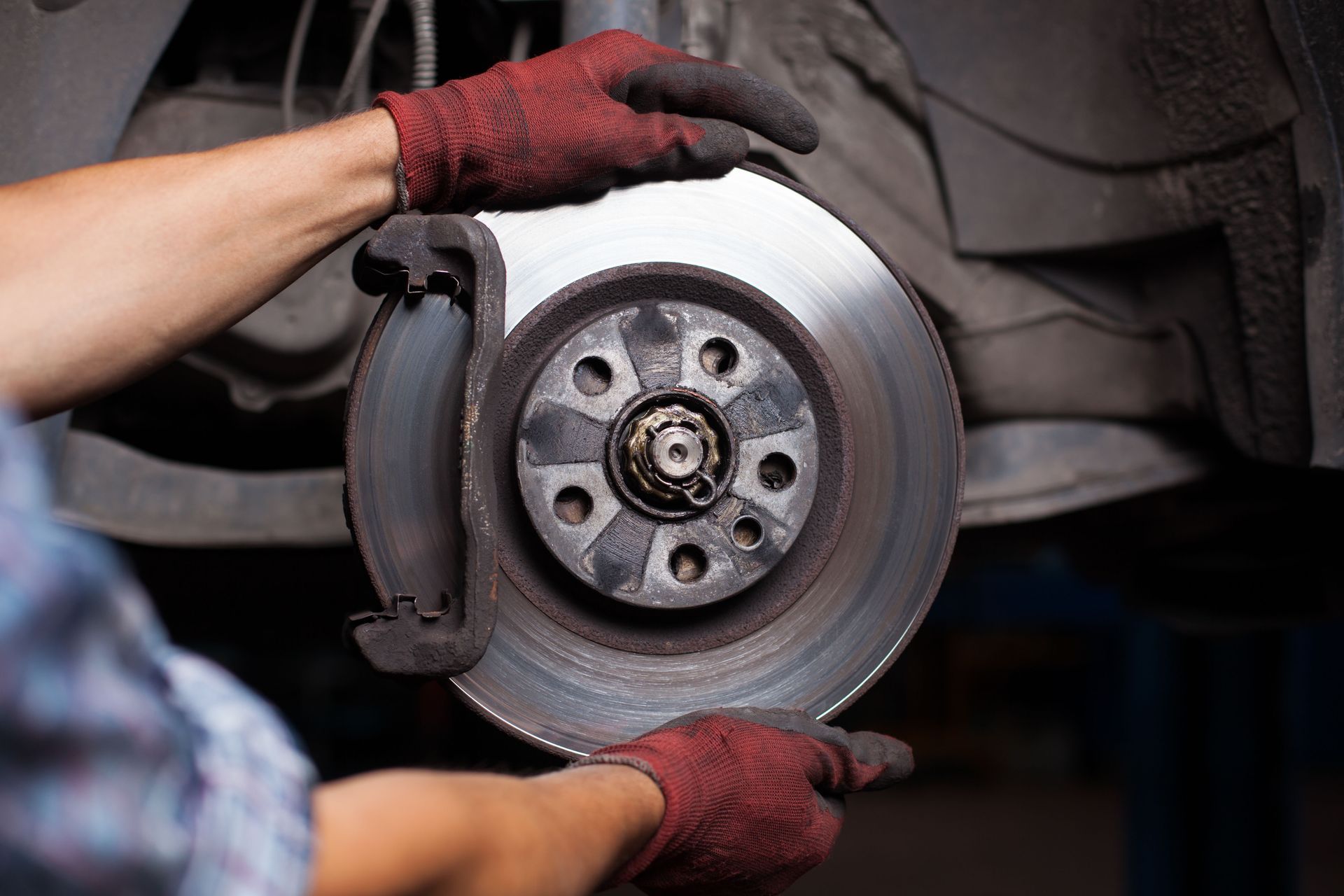
Modern braking systems are beautifully engineered networks of hydraulic lines, calipers, rotors, and pads working in perfect harmony. When you press the foot pedal, fluid amplifies that pressure, squeezing pads against a spinning metal disc to slow your wheels via intense friction. Because this process happens thousands of times during a typical commute, components slowly wear away by design. Paying close attention to the sights, sounds, and sensations your vehicle produces allows you to identify minor wear before it transforms into a dangerous situation. Developing an awareness of these changes empowers you to maintain complete control over your driving experience.
Hearing Piercing Squealing or Squeaking Sounds
One of the earliest and most unmistakable indicators of component wear is an audible warning built right into the design of your vehicle parts. Many manufacturers equip their products with tiny metal tabs called wear indicators that become exposed as the friction material grows thin. When these tabs make contact with the spinning metal disc, they produce a high-pitched metallic squeal whenever you slow down. If you notice this piercing sound during your daily commute, it is a clear message that your vehicle requires prompt inspection at a professional brake repair shop.
Ignoring this initial sound can lead to a far more severe, deep grinding noise that indicates a much more serious problem. A harsh grinding sound means the friction material has worn away completely, leaving bare metal to scrape against bare metal. This metal-on-metal contact scores and destroys the smooth surface of your rotors, significantly reducing your stopping power while increasing future replacement expenses. Addressing the squeal early allows you to replace only the inexpensive pads, avoiding the heavy financial burden of replacing the entire structural assembly.
Feeling Spongy or Soft Pedal Resistance
The physical feedback you receive through your foot pedal offers a direct window into the hydraulic health of your stopping network. Under normal operational conditions, pressing the pedal should feel firm, progressive, and responsive, requiring minimal travel distance to initiate a slowdown. If the pedal suddenly feels soft, mushy, or sinks effortlessly all the way to the floorboard, your hydraulic system has suffered a significant loss of integrity. This alarming symptom demands immediate investigation, as it indicates a severe compromise in your ability to bring the vehicle to a halt.
A spongy pedal feeling typically points toward air pockets entering the hydraulic lines or a dangerous drop in fluid levels caused by an external leak. Because hydraulic fluid is non-compressible, it transmits your physical force directly to the wheels; however, air compresses easily, absorbing your energy and leaving you with diminished stopping capability. A qualified technician at a local brake repair shop can locate the source of the fluid loss, flush out any trapped air bubbles, and restore the vital pressure needed to keep you safe on the highway.
Noticing Violent Steering Wheel Vibrations
When you apply pressure to slow down at highway speeds, the transition should be smooth, stable, and completely vibration-free. If you experience a violent shaking sensation through the steering wheel or a pulsating rhythm under your foot, your rotors have likely suffered thermal distortion. Rotors must remain perfectly flat and uniform to allow the pads to grip them evenly across their entire surface area. When they become warped or uneven, the pads bounce across the irregular surface, transmitting those rapid vibrations directly into the steering column.
Thermal distortion occurs when extreme heat builds up within the system due to aggressive driving, riding the pedal down long hills, or heavy towing. Warped rotors reduce the total contact area available for stopping, which dramatically extends your total stopping distance and puts your safety at risk. Seeking assistance from an expert brake repair shop allows technicians to measure the thickness of the metal discs and determine whether they can be resurfaced to a flat plane or if total replacement is necessary.
Pulling Uncontrollably to One Side
A properly balanced vehicle should maintain a perfectly straight path when you initiate a slowdown, allowing you to keep total control with minimal steering adjustments. If your vehicle pulls sharply and unpredictably to the left or right whenever you apply the pedal, the system is delivering unequal force to opposite sides of the chassis. This sudden pulling sensation can catch a driver off guard, potentially forcing the vehicle out of its lane and into oncoming traffic during an emergency.
This behavior typically stems from a stuck mechanical caliper component or a collapsed hydraulic line restricting fluid flow to a single wheel. When one caliper seizes up, it either applies continuous pressure to that specific wheel or fails to apply any force at all, creating a severe operational imbalance.
Observing Active Fluid Puddles Underneath
The hydraulic fluid responsible for powering your stopping network operates within a strictly sealed loop that should never lose volume under normal circumstances. Discovering fresh puddles or greasy droplets on your driveway beneath the wheels or master cylinder is a critical warning sign that should never be ignored. This specialized fluid is usually clear to amber in color and possesses a slippery, oily texture that sets it apart from engine oil or coolant.
A drop in fluid volume eventually robs the master cylinder of the pressure required to activate the calipers, culminating in total system failure. Routinely checking the ground where you park helps you catch these leaks before they empty the reservoir completely. According to Kelley Blue Book, vehicle owners are advised to schedule an inspection by a qualified mechanic at least every 12 months to identify potential issues. Adhering to this routine guideline ensures that minor fluid seeps are caught and repaired before they can jeopardize your safety on the open road.
Maintaining your automotive stopping network is the single most important action you can take to preserve your personal safety and protect your automotive investment. Squealing noises, spongy pedals, violent steering vibrations, directional pulling, burning smells, and fluid leaks are urgent messages from your vehicle that require immediate intervention. Being proactive prevents costly secondary damage to your rotors and calipers while ensuring your car remains completely reliable during critical moments.
When you notice any changes in how your vehicle responds to your input, partnering with a dependable team of professionals is paramount. At The Car Shop of VB, we are deeply committed to providing meticulous inspections, superior component replacements, and transparent communication for every vehicle that enters our facility. Our collective voice represents a passion for mechanical excellence, family safety, and unwavering dedication to the local community. Let us handle the complexities of your automotive maintenance needs, keeping your journeys safe and your stopping power absolute through every mile ahead.









Share On: